Why Did Character.AI File for Bankruptcy? The Business Behind AI Companions
Why did Character.AI file for bankruptcy? The company’s own explanation points to legal, regulatory, and operational pressures, followed by a decision to pursue a court-supervised sale. The October update says the platform remains operational; a wind-down depends on the sale outcome. That is the confirmed starting point. It is not a complete financial account of how the business reached this point. The announcement has also reopened a broader question: how can an AI companion business fund conversations that people want to keep having? Below, we separate the reasons Character.AI has disclosed from our analysis of the industry’s economics. This article is published by PolyBuzz, another AI character platform. That commercial interest is relevant, and our discussion is not an independent investment or legal assessment.
What Character.AI has actually said about the filing
The October 12 announcement identifies the company’s rationale but offers little financial detail. It does not provide an operating statement, a breakdown of cash outflows, or a quantified explanation of each pressure. That limits what a reader can conclude about causation. A specific expense, product decision, or group of users cannot responsibly be labeled the cause based on this statement alone. Similarly, a reference to legal challenges does not establish liability or resolve a dispute. Treat the announcement as management’s public explanation rather than a complete account of the business. Compare the company’s own explanation with the claims circulating online.
Industry analysis: every additional conversation needs resources
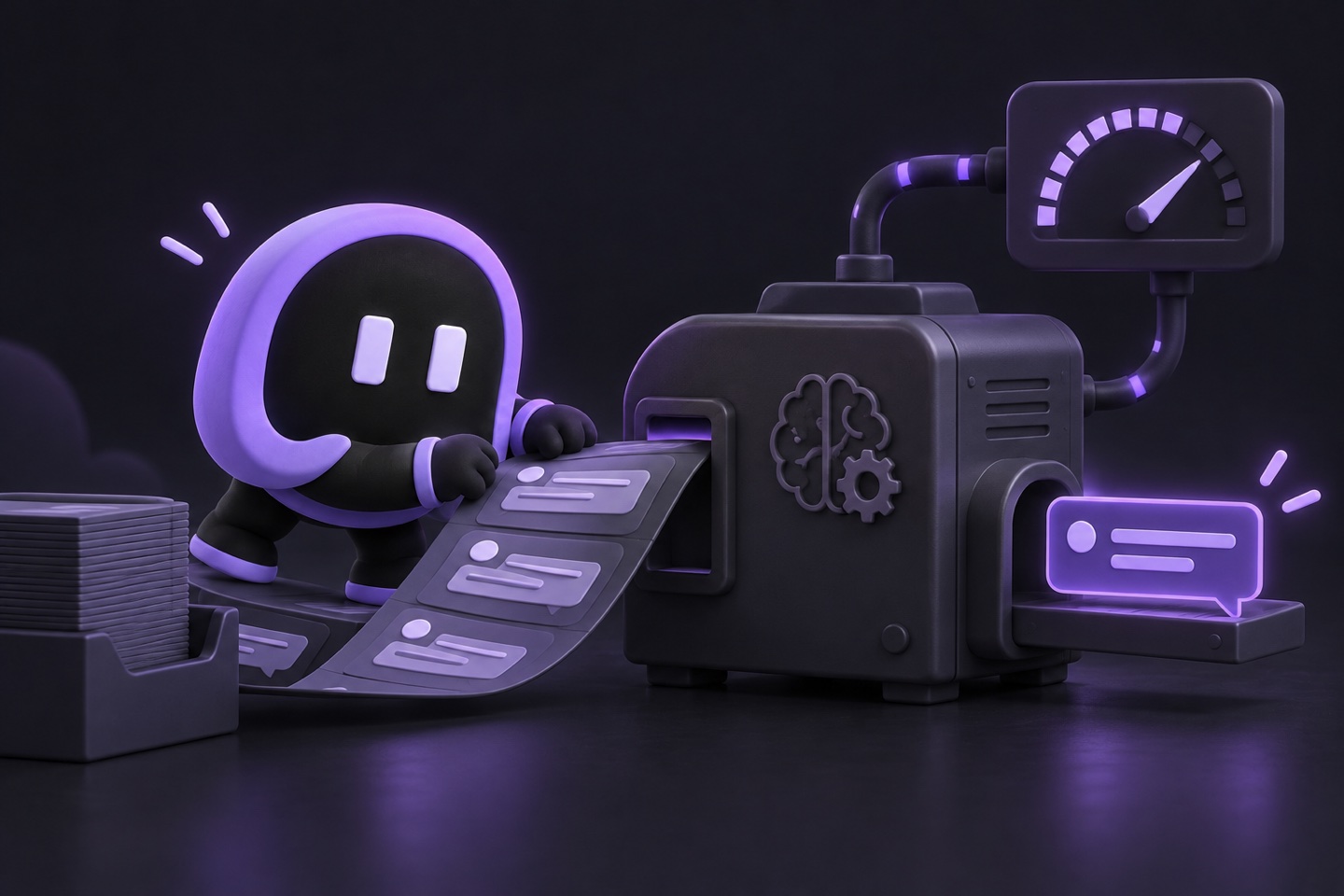
Industry concept: generating replies uses resources; this is not a reconstruction of Character.AI costs.
The following is an industry model, not a reconstruction of Character.AI’s accounts. An AI character service has to generate responses as people interact. That generation uses computing resources; it is different from serving everyone the same previously written page. Cloud pricing offers a concrete illustration. Amazon Bedrock lists model-dependent charges, including input and output token pricing for text models and other arrangements such as provisioned capacity. These public rates show why the quantity and shape of usage can affect a service’s costs. They are not Character.AI’s invoices, and we do not know its negotiated infrastructure arrangements. More elaborate conversations can also require choices about how much prior text to process, which model to run, and how quickly to answer. Providers can manage those choices through engineering and product design. Character.AI itself acknowledged the cost issue when launching c.ai+ in 2023: its announcement connected paid subscriptions with supporting conversations at scale. That historical statement demonstrates awareness of the challenge. It does not show the company’s later margins or prove that inference spending caused the bankruptcy.
Industry analysis: popularity and sustainable revenue answer different questions
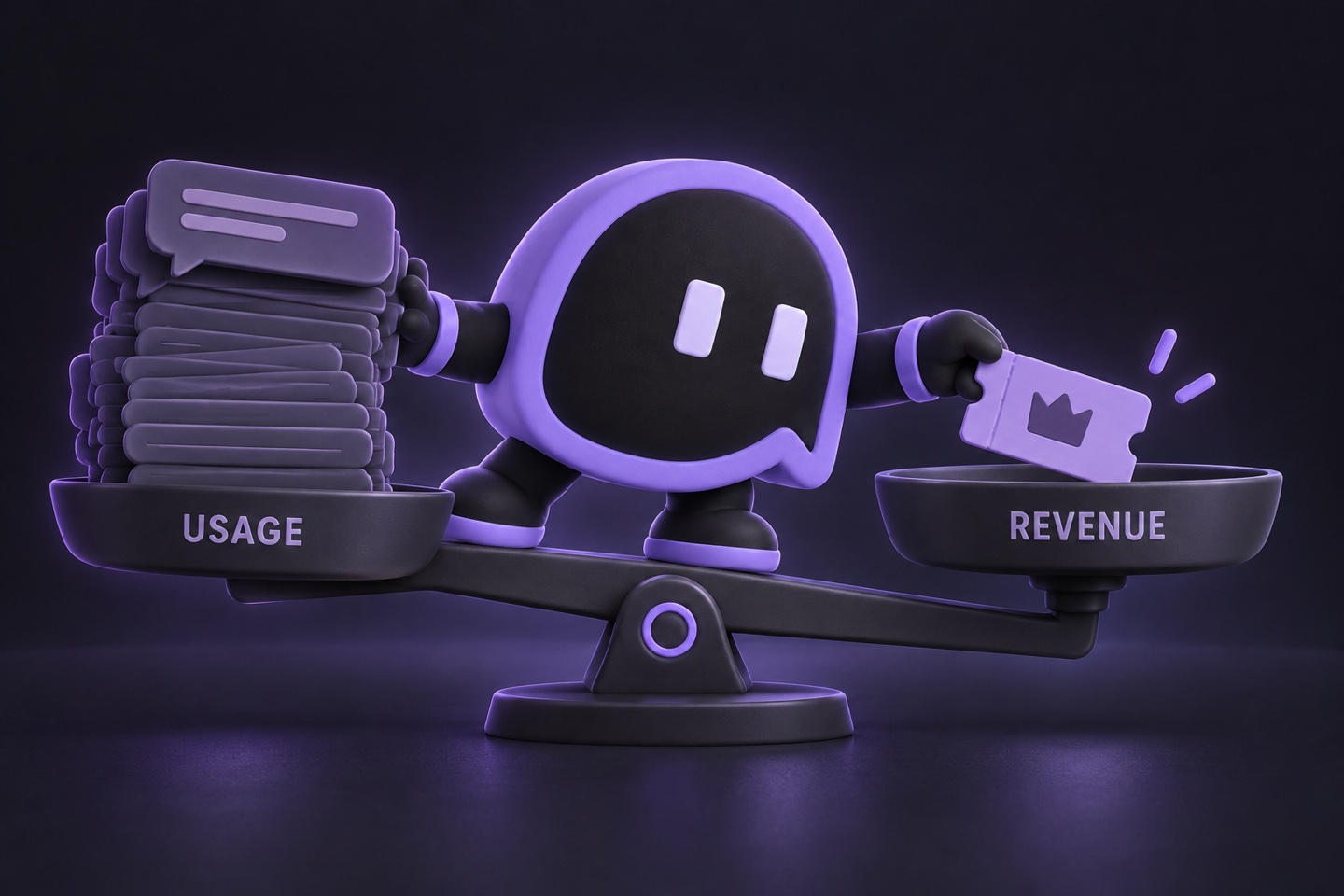
Industry concept: engagement and revenue measure different parts of a business.
A character platform can be engaging without every additional session producing enough revenue to cover its associated cost. That is a general business tension, not a claim about Character.AI’s conversion rate. Free access lowers the effort needed to try a product and gives creators an audience. Paid plans must offer something people value enough to renew. Advertising, subscriptions, and optional purchases each create different tradeoffs around experience, predictability, and willingness to pay. A flat subscription can be simple for customers while usage varies widely between subscribers. A usage-based purchase can align spending with activity but make an open-ended story feel metered. Neither design automatically succeeds or fails. The important questions are how revenue relates to the cost of serving the audience, whether people renew, and whether the provider can deliver the promised experience consistently. Character.AI’s 2023 subscription launch is evidence that it pursued paid access alongside a free offering. It is not evidence of how many people paid, how much profit those subscriptions produced, or whether a different price would have prevented the filing.
Industry analysis: a major technology deal is not a recurring business model
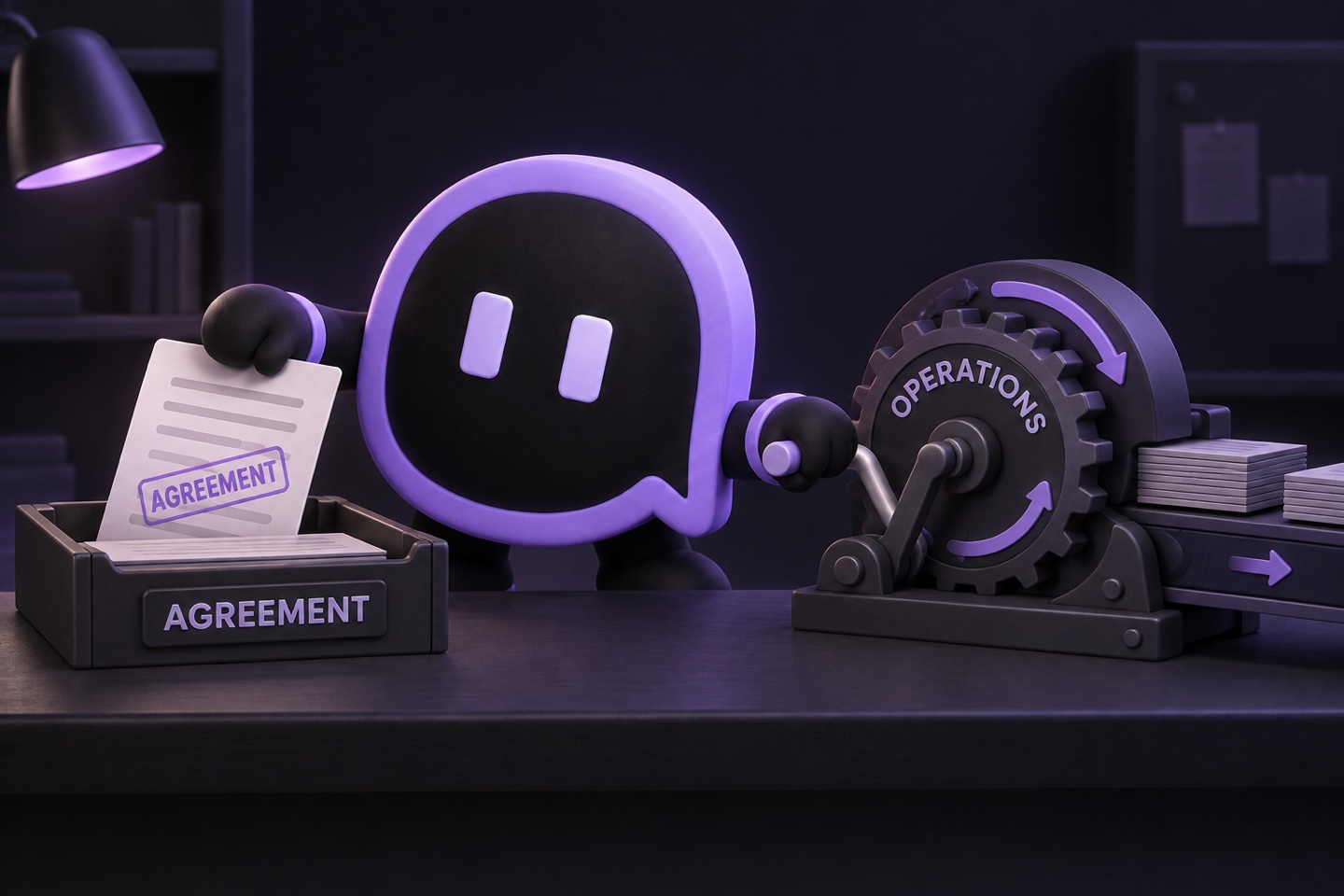
Industry concept: an agreement and the work of sustaining a service are distinct.
Character.AI’s history includes a significant agreement with Google. Alphabet’s third-quarter 2024 SEC filing records a non-exclusive license to Character.AI’s then-current language model technology and the hiring of certain Character.AI employees. This is useful context because online discussions sometimes blur a technology agreement, an acquisition, and an ongoing promise to finance a service. The filing documents that transaction; it does not establish an unlimited commitment to support the character platform. Our broader analysis is that a company needs to distinguish transaction proceeds or external financing from the revenue its product earns repeatedly. A licensing agreement may give a business more options, but it does not by itself tell readers whether future operations will balance. Equally, the existence of a subsequent bankruptcy does not tell us how earlier transaction proceeds were allocated. Without the relevant records, statements that money was wasted, that a particular party drained the business, or that an acquisition guaranteed survival go beyond the evidence cited here. A business explanation should leave those unknowns visible.
What this means for the AI companion business
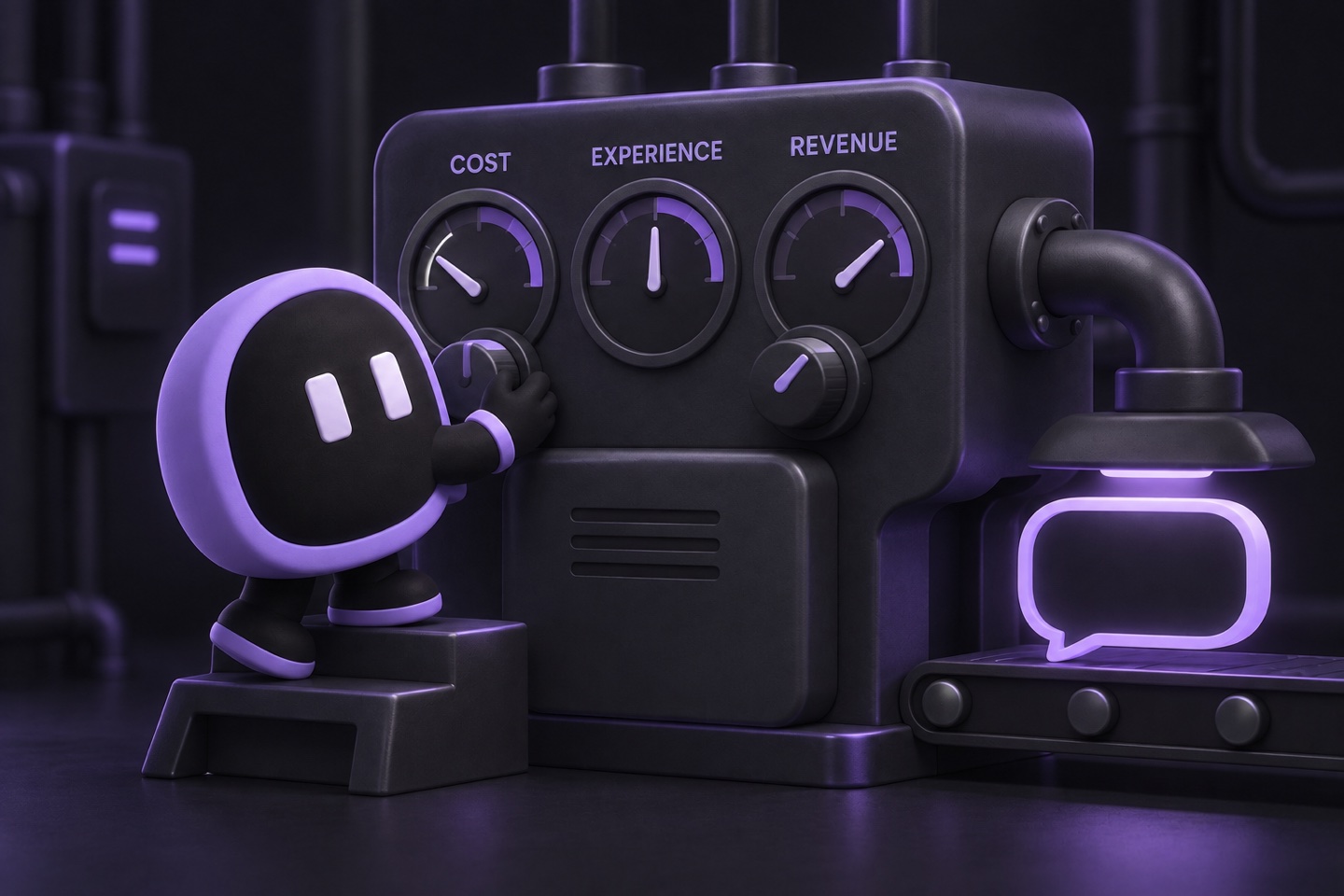
Industry concept: service quality and operating resources need continuing attention.
Character.AI’s filing raises questions that apply across the category, but one company’s announcement does not prove that every AI companion platform has the same economics. The useful industry test is whether a provider can connect what people enjoy with a model that pays for delivering it. That includes compute choices, product scope, support, and the work required to run a public service responsibly. This is our analytical framework rather than a list of verified causes of Character.AI’s filing. For users, the practical implication is to read plan terms and product promises carefully. A statement about free entry does not describe every paid feature. A popular product is not evidence of profitability. A promising technology partnership is not a guarantee of uninterrupted service. For operators, honest limits and clear communication matter because people invest time and creative effort in their characters. Sustainable operation is a continuing responsibility, and readers should apply that expectation to PolyBuzz as well as to competitors. The best discussion of this event combines the company’s actual disclosures with clearly labeled questions about the wider business.
Our perspective as PolyBuzz
PolyBuzz publishes this blog and operates an AI character platform, so we have a commercial interest in this category. You can explore our product if character conversation interests you, while applying the same questions about plans, feature access, and communication. We do not present this event as proof of our own financial position or a promise of permanent availability.
- · Evaluate a platform by the experience and terms it offers today.
- · Check current pricing and any paid feature requirements before spending.
A careful answer to “why”
The confirmed answer is the set of pressures and sale objective Character.AI disclosed. Computing costs, monetization, and financing help explain the questions surrounding an AI companion business. They should remain analysis until company-specific evidence establishes more.
Frequently Asked Questions
Why did Character.AI file for bankruptcy?
The company cites legal, regulatory, and operational headwinds and says its board chose a court-supervised sale after reviewing alternatives. Its public announcement does not quantify each factor’s financial impact.
Did AI computing costs cause the bankruptcy?
Computing is a relevant industry expense, and Character.AI previously acknowledged that conversations carry significant costs. The public disclosures discussed in this article do not establish that computing expenses were the decisive cause of its filing.
Did Google buy Character.AI?
Alphabet’s 2024 SEC filing describes a non-exclusive technology license and the hiring of certain employees. That disclosure should not be treated as evidence of a purchase of the entire service or a permanent funding guarantee.
Do paid subscriptions guarantee an AI platform is profitable?
No. Knowing that a product offers subscriptions does not reveal its total revenue, operating costs, or profit. Those require financial evidence rather than an inference from the presence of a payment page.
Does this mean AI companion businesses cannot work?
One company’s filing cannot establish that conclusion. Providers can have different costs, pricing, financing, and product designs. The industry question is how each business supports its service over time.